Good Done Fast: Teams Moving Mountains in Days

Today we dive into Service Sprints: Quick Team Projects for Corporate Social Responsibility, a nimble approach that channels focused, time‑boxed teamwork into real community value. Expect practical playbooks, honest stories, and measurement tips you can use this month. Share your experiences in the comments and subscribe to swap ideas with peers.

Why Speed Can Amplify Impact

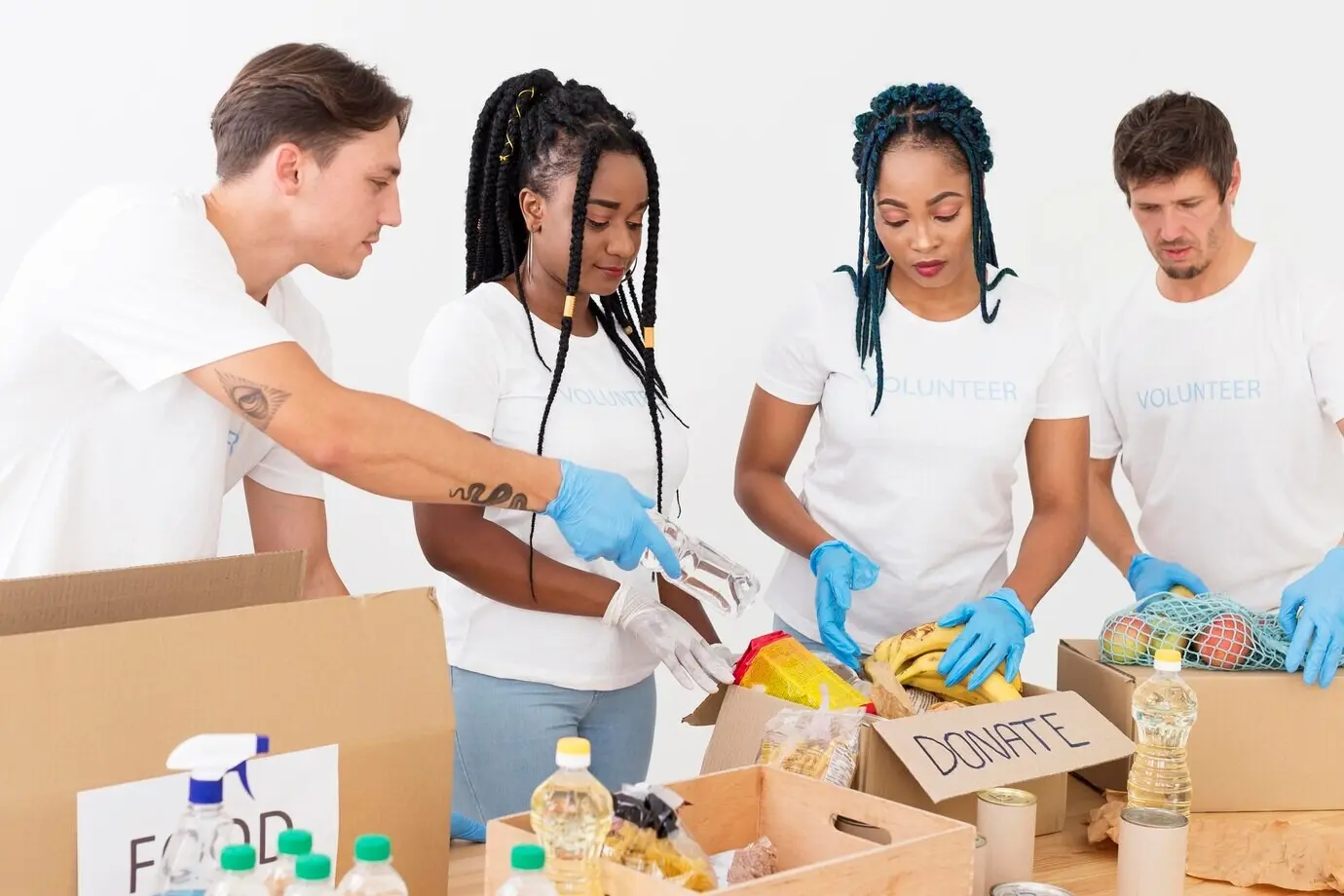
Fast efforts can cut noise, sharpen purpose, and turn intention into action before energy fades. When people see progress in hours, generosity becomes contagious, meetings shrink, and blockers lose power. We have seen departments transform a cafeteria into a packaging line and ship help before sunset.

Designing a One- or Two-Day Journey

A Clear, Humane Brief

Co-author the problem statement with the organization you will support, using their language and realities. Define who benefits, what will change today, and what must not be harmed. Keep scope precise, jargon-free, and humane, so every volunteer can act with confidence and respect.

Roles, Rotations, and Breaks

Design stations that rotate people through complementary tasks, balancing focus with movement. Assign a host, a decision-owner, and a well-being lead who watches pace and breaks. Provide adaptable roles for different abilities and comfort levels. Hydration, snacks, and short retros keep spirits high and aligned.

Materials and Logistics

Great intentions collapse without materials at hand. Confirm venue access, consent forms, data safeguards, and procurement early. Bundle kits, label boxes, and pre-test tools. If remote, pilot every link and camera view. A spare laptop, markers, tape, and universal chargers save surprising amounts of time.

Skills Inventory in Twenty Minutes

Begin with a quick survey or a wall of sticky notes listing tools people know and love. Encourage quieter voices by pairing and anonymous input. You will discover hidden talents—like a receptionist fluent in InDesign—turning a chaotic day into a skill-aligned, confidence-boosting collaboration.

Nonprofit Readiness Checklist

A willing partner still needs clarity, assets, and a decision path. Check for data ownership, brand guidelines, translation needs, and a point person empowered to approve work. This simple checklist prevents rework, protects dignity, and ensures the day produces results the organization can actually use.

Measuring What Matters Without Slowing Down

Measurement should clarify, not burden. Use light, reliable indicators to learn fast and share accountability. Count outputs, gather brief feedback, and note outcome signals the partner can validate later. Align with ESG or SDG mappings when relevant, but keep the process humane, proportionate, and fast.

Stories That Build Culture and Loyalty

Stories are culture carriers. When people recount meaningful moments—laughter, hard truths, small wins—they shape identity and belonging more deeply than policy memos. Handle dignity with care, center community voices, and invite reflection that helps colleagues connect purpose to craft, and craft to everyday decisions.
Consent is not a checkbox but a conversation. Explain how photos or quotes may be used, offer opt-out options without pressure, and prioritize safety. Capture process, not only posed outcomes. This approach safeguards trust and produces richer, more honest narratives your audience will recognize as real.
Share impact without centering savior myths. Describe the partner’s expertise, constraints they face, and how collaborative effort unlocked progress. Include mistakes and lessons with humility. When staff hear their wisdom reflected back, relationships strengthen, and invitations to deeper partnership arrive naturally over time.

Make It Stick: From Pilot to Program

To last, a good idea needs scaffolding. Document how you choose partners, schedule events, and protect well-being. Build a simple budget, define decision rights, and set a predictable cadence. Legal, IT, and facilities deserve early seats at the table to keep everything respectful and safe.
Codify the essentials in a brief guide: sample briefs, consent templates, station maps, checklist, and a one-page measurement plan. Keep it editable and open to contributions. When new colleagues join, the guide lowers friction and lets them launch meaningful work without reinventing every step.
Make participation affordable and attractive. Seed a small fund for materials and community stipends, and recognize contributions in performance conversations. Offer paid time, match volunteer hours with donations, and partner with ERGs to widen access. Transparent support normalizes service as part of how your company works.
Create a cross-functional circle of facilitators who trade tips, share calendars, and co-host events. Invite nonprofit partners into that learning space. Quarterly meetups surface patterns, reduce duplication, and encourage mentorship, so every effort grows safer, smarter, and more joyful without relying on one heroic organizer.
Vitarekuvepiraziva
Privacy Overview

This website uses cookies so that we can provide you with the best user experience possible. Cookie information is stored in your browser and performs functions such as recognising you when you return to our website and helping our team to understand which sections of the website you find most interesting and useful.